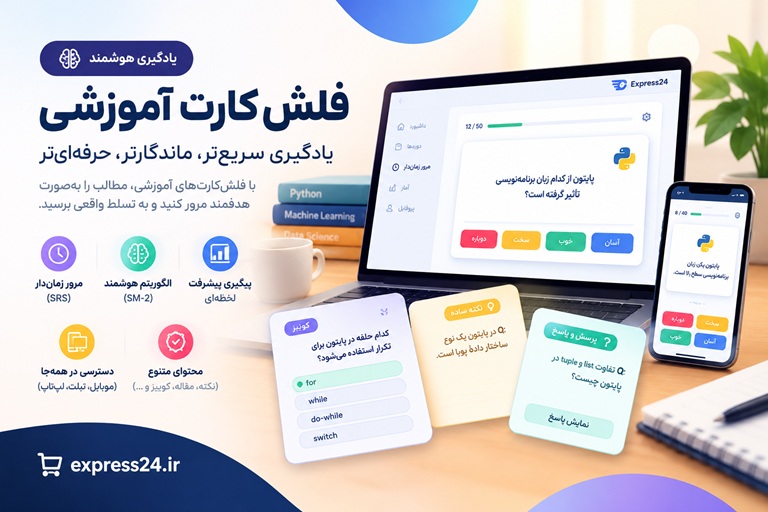
فلشکارتهای آموزشی زبان انگلیسی برای مهندسان در درک و تحلیل استانداردهای کدنویسی در مهندسی نرمافزار
دوره زبان انگلیسی برای مهندسان نرمافزار: درک و تحلیل استانداردهای کدنویسی کدنویسی به زبان جهانی: دوره تخصصی انگلیسی برای مهندسان نرمافزار آینده شغلی خود را با تسلط بر زبان مشترک دنیای تکنولوژی متحول...
🎓 دوره آموزشی جامع
📚 اطلاعات دوره
عنوان دوره: دوره زبان انگلیسی برای مهندسان در درک و تحلیل استانداردهای کدنویسی در مهندسی نرمافزار
موضوع کلی: آموزش زبانهای خارجی
موضوع میانی: زبان در حوزه مهندسی
📋 سرفصلهای دوره
- 1. Introduction to Technical English for Software Engineers
- 2. The Role of English in Global Software Development
- 3. Understanding the Landscape of Coding Standards
- 4. Why Mastering English for Standards is Crucial
- 5. Basic Structure of Technical Documents in Software Engineering
- 6. Core Vocabulary: General Software Engineering Terms (Part 1)
- 7. Core Vocabulary: General Software Engineering Terms (Part 2)
- 8. Common Acronyms in Software Engineering Documentation
- 9. Identifying the Purpose and Audience of Technical Texts
- 10. Overview of Different Types of Coding Standards and Guidelines
- 11. Reading Strategies: Skimming for Overview and Main Ideas
- 12. Reading Strategies: Scanning for Specific Information and Keywords
- 13. Identifying Main Ideas and Supporting Details in Technical Paragraphs
- 14. Understanding Complex Sentence Structures in Technical Documentation
- 15. Deciphering Technical Jargon and Domain-Specific Terminology
- 16. The Passive Voice in Technical Descriptions and Rules
- 17. Conditional Clauses for Stating Rules, Conditions, and Consequences
- 18. Modals (Must, Shall, Should, May) for Requirements and Recommendations
- 19. Connectors and Transitional Phrases for Logical Flow and Cohesion
- 20. Recognizing Definitions, Explanations, and Clarifications
- 21. Interpreting Examples, Code Snippets, and Illustrations in Text
- 22. Understanding Tables, Charts, and Figures in Technical Documentation
- 23. Drawing Inferences and Making Educated Guesses from Context
- 24. Summarizing Technical Information Concisely and Accurately
- 25. Paraphrasing Technical Rules and Guidelines Effectively
- 26. Note-Taking Techniques for Complex Standards and Specifications
- 27. Identifying Cause-and-Effect Relationships in Technical Explanations
- 28. Recognizing Problem-Solution Structures in Standard Rationales
- 29. Dealing with Ambiguity and Vague Phrasing in Technical Language
- 30. Differentiating Facts, Opinions, and Recommendations in Standards
- 31. Vocabulary for Data Types and Variables in Programming
- 32. Vocabulary for Control Flow Structures (Loops, Conditionals)
- 33. Vocabulary for Functions, Methods, and Procedures
- 34. Vocabulary for Object-Oriented Programming (OOP) Concepts
- 35. Vocabulary for Data Structures and Algorithms
- 36. Vocabulary for Software Design Principles (e.g., SOLID, DRY, KISS)
- 37. Vocabulary for Software Testing, Debugging, and Quality Assurance
- 38. Vocabulary for Version Control Systems (e.g., Git Terminology)
- 39. Vocabulary for APIs (Application Programming Interfaces) and Libraries
- 40. Vocabulary for Software Architecture Patterns and Components
- 41. Vocabulary for Software Security Concepts and Vulnerabilities
- 42. Vocabulary for Performance Optimization and Efficiency
- 43. Vocabulary for Code Quality, Readability, and Maintainability
- 44. Vocabulary for Software Documentation Practices and Types
- 45. Common Verbs for Specifying Requirements (e.g., implement, define, ensure)
- 46. Adjectives for Describing Code Attributes (e.g., robust, efficient, readable)
- 47. Nouns for Software Components, Constructs, and Entities
- 48. Understanding Phrasal Verbs in a Software Engineering Context
- 49. Interpreting Abbreviations and Shorthands in Code Comments
- 50. Reading and Understanding Error Messages, Warnings, and Logs
- 51. Anatomy of a Coding Standard Document: Core Components
- 52. Key Sections: Scope, Normative References, Terms & Definitions
- 53. Key Sections: Requirements, Recommendations, Guidelines (Detailed Analysis)
- 54. Identifying Mandatory Rules: "MUST", "SHALL", "REQUIRED" in Standards
- 55. Understanding Strong Recommendations: "SHOULD", "RECOMMENDED"
- 56. Recognizing Optional Practices: "MAY", "OPTIONAL", "CAN"
- 57. Distinguishing Between Formal Rules and Illustrative Examples
- 58. Vocabulary for Naming Conventions (Variables, Functions, Classes, Files)
- 59. Vocabulary for Code Formatting Rules (Indentation, Line Length, Spacing)
- 60. Vocabulary for Commenting Standards and Documentation Blocks
- 61. Vocabulary for Error Handling Standards and Exception Management
- 62. Vocabulary for Security Best Practices within Code Standards
- 63. Vocabulary for Performance Optimization Standards and Techniques
- 64. Vocabulary for Code Structure and Organization Standards
- 65. Understanding Compliance, Non-Compliance, and Violations Language
- 66. Analyzing the Rationale and Justification Behind Standard Rules
- 67. Comparing Different Sections and Related Rules within a Standard
- 68. Cross-Referencing Information within Large and Complex Standard Documents
- 69. Interpreting Diagrams, Flowcharts, and UML in Standards Documentation
- 70. Navigating Appendices, Annexes, and Supplementary Materials in Standards
- 71. Understanding the Revision, Versioning, and Lifecycle Process of Standards
- 72. Interpreting Prohibitions: "MUST NOT", "SHALL NOT", "FORBIDDEN"
- 73. Understanding Exceptions, Derogations, and Waivers to Standard Rules
- 74. Analyzing the Scope, Applicability, and Limitations of a Specific Standard
- 75. Identifying Stakeholders and Their Roles in Standard Development and Adoption
- 76. Analyzing a Specific Naming Convention Standard (Practical Exercise)
- 77. Analyzing a Specific Code Formatting Standard (Practical Exercise)
- 78. Analyzing a Specific Code Commenting Standard (Practical Exercise)
- 79. Case Study: Deconstructing an Excerpt from the Google C++ Style Guide
- 80. Case Study: Deconstructing an Excerpt from Oracle Java Code Conventions
- 81. Case Study: Understanding Python's PEP 8 Style Guide and Its Rationale
- 82. Understanding ISO/IEC Software Engineering Standards (Introduction and Overview)
- 83. Understanding IEEE Software Engineering Standards (Introduction and Overview)
- 84. Introduction to Industry-Specific Standards (e.g., MISRA C/C++, AUTOSAR)
- 85. Comparing and Contrasting Multiple Standards on a Single Topic (e.g., Brace Style)
- 86. Identifying Ambiguities and Vague Phrasing in Standard Documents
- 87. Formulating Clarifications and Seeking Interpretations for Ambiguous Rules
- 88. Analyzing Potential Conflicts and Inconsistencies Between Different Coding Standards
- 89. Evaluating Code Snippets Against Specific Standard Requirements for Compliance
- 90. Writing Clear and Concise Summaries of Standard Requirements for Team Members
- 91. Discussing the Impact of Standard Updates and Revisions on Projects
- 92. Formulating Effective Questions about Standard Interpretations for Discussions
- 93. Explaining Complex Standard Rules to Technical Peers in English
- 94. Presenting Analysis and Recommendations Based on Standards (Oral Communication Practice)
- 95. Leveraging Official Documentation Websites and Community Forums for Standards
- 96. Understanding the Role of Automated Tools (Linters, Static Analyzers) in Standards Enforcement
- 97. Reading and Interpreting Documentation for Static Analysis Tools
- 98. Performing a Code Review Focused on Standard Compliance and Best Practices
- 99. Contributing to Internal Coding Standard Documentation and Guides
- 100. Emerging Trends in Coding Standards and English for Technical Communication
SMART LEARNING PLATFORM
از مطالعه تا یادگیری ماندگار
فراتر از یک مجموعه فلشکارت؛ تجربهای تعاملی برای یادگیری، تمرین، مرور هوشمند و مشاهده مسیر پیشرفت شما، همراه با امکان دریافت گواهی پایان دوره در دورههای واجد شرایط.
مرور فاصلهدار
آمار یادگیری
گواهی دوزبانه
یادگیری را به یک مسیر قابل پیگیری تبدیل کنید
با ورود به سامانه آموزشی، محتوای دوره را بهصورت مرحلهای دنبال کنید، فلشکارتها را مرور کنید، دانش خود را با پرسشها و آزمونها بسنجید و روند پیشرفتتان را در طول مسیر ببینید.
⟳
مرور فاصلهدار هوشمند
با مرور زماندار، کارتهای تازه و کارتهای سررسیدشده را بر اساس برنامه مرور دنبال کنید. ارزیابی پاسخها به زمانبندی مرورهای بعدی کمک میکند تا تمرین متناسبتری داشته باشید.
◉
مشاهده مسیر پیشرفت
میزان مشاهده فلشکارتها، فعالیتهای مرور، عملکرد آزمونها و آمار یادگیری را بررسی کنید و تصویر روشنتری از مسیر آموزشی خود داشته باشید.
▤
یادگیری مرحلهبهمرحله
فصلها و بخشهای آموزشی را به ترتیب دنبال کنید، مطالب دیدهنشده را پیدا کنید و بدون سردرگمی به ادامه مسیر برگردید.
✓
تمرین و سنجش آموختهها
با نکتههای آموزشی، پرسش و پاسخ، کوییزها و آزمونهای پایان فصل، دانستههای خود را تمرین کنید و بخشهایی را که به توجه بیشتری نیاز دارند بشناسید.
SMART REVIEW
هر بار، مرور هدفمندتر
لازم نیست هر روز از ابتدا درباره اینکه چه چیزی را مرور کنید تصمیم بگیرید. سامانه، صف مرور روزانه را بر اساس کارتهای تازه و موعد مرور کارتها آماده میکند. شما پاسخ را ارزیابی میکنید و برنامه مرور با توجه به آن تنظیم میشود.
دوباره
برای کارتهایی که به تمرین زودتر نیاز دارند.
سخت
برای پاسخهایی که با دشواری به یاد آمدهاند.
خوب
برای پاسخهایی که بهدرستی به یاد آوردهاید.
آسان
برای کارتهایی که پاسخ آنها را بهآسانی میدانید.
برنامه مرور بر اساس ارزیابی شما تنظیم میشود؛ مرور منظم میتواند به تثبیت آموختهها کمک کند، اما بهتنهایی تضمینکننده تسلط کامل نیست.
محتوا را به شیوههای مختلف تمرین کنید
ساختار دورهها متناسب با موضوع آموزشی طراحی شده است و ممکن است انواع مختلفی از محتوا را در بر بگیرد.
نکتههای ساده
برای مرور سریع مفاهیم اصلی و نکات کلیدی.
نکتههای رسمی
برای تمرین تعاریف، اصطلاحات و بیان دقیق علمی.
کوییز
برای سنجش درک مطلب و بررسی گزینه صحیح.
پرسش و پاسخ
برای تمرین یادآوری و سنجش میزان تسلط بر مطالب.
محتوای هر دوره بر اساس ساختار و امکانات فعال همان دوره ارائه میشود.
LEARN ANYWHERE
همراه شما روی مرورگر
برای استفاده از نسخه تحت وب، کافی است با حساب کاربری خود وارد سامانه شوید. بدون نیاز به نصب یک برنامه اختصاصی، میتوانید از مرورگر سازگار روی گوشی، تبلت یا رایانه به دورههای در دسترس خود مراجعه کنید.
گوشی هوشمند
برای مطالعه در زمانهای کوتاه
تبلت و لپتاپ
برای مطالعه و مرور راحتتر
حساب کاربری شخصی
برای دسترسی به دورههای مجاز شما
COURSE COMPLETION CERTIFICATE
گواهی پایان دوره؛ ثبت دستاورد شما
در دورههایی که امکان دریافت گواهی برای آنها فعال است، میتوانید پس از تکمیل شرایط آموزشی، درخواست گواهی پایان دوره ثبت کنید.
شرایط درخواست گواهی
✓ داشتن دسترسی دارای قابلیت گواهی برای دوره مربوطه.
✓ تکمیل اطلاعات لازم در پروفایل، شامل کد ملی معتبر، عکس پرسنلی و نام و نام خانوادگی انگلیسی.
✓ مشاهده تمام فلشکارتهای فعال دوره.
✓ قبولی در آزمونهای پایان فصل، در صورت وجود آزمون برای فصلها.
فارسی و انگلیسی
پس از تأیید و انتشار، نسخههای فارسی و انگلیسی گواهی در دسترس قرار میگیرند.
استعلام آنلاین
گواهی منتشرشده دارای QR Code و لینک اختصاصی برای بررسی آنلاین اعتبار آن است.
دانلود و چاپ
پس از انتشار گواهی، امکان دریافت نسخه PDF فارسی و انگلیسی و چاپ آن فراهم است.
توجه: ثبت درخواست به معنای صدور قطعی نیست. درخواست گواهی پس از بررسی و تأیید ادمین منتشر میشود. این گواهی، گواهی پایان دوره آموزشی است و بهخودیخود معادل مدرک دانشگاهی یا مدرک رسمی مورد تأیید نهادهای دولتی نیست.
یادگیری را شروع کنید؛ پیشرفت را دنبال کنید
با تمرین منظم، مرور هدفمند و پیگیری مسیر آموزشی خود، قدمبهقدم دانش و مهارتهایتان را گسترش دهید.
هر کارت، یک قدم به جلو
امکانات محتوایی، مرور و گواهی بر اساس سطح دسترسی و تنظیمات هر دوره متفاوت است.
نگاهی به محیط سامانه
یادگیری هوشمند، قدمبهقدم
با محیط سامانه آموزشی آشنا شوید و نمونههایی از فضای یادگیری، فلشکارتها و ابزارهای مرور و تمرین را مشاهده کنید.
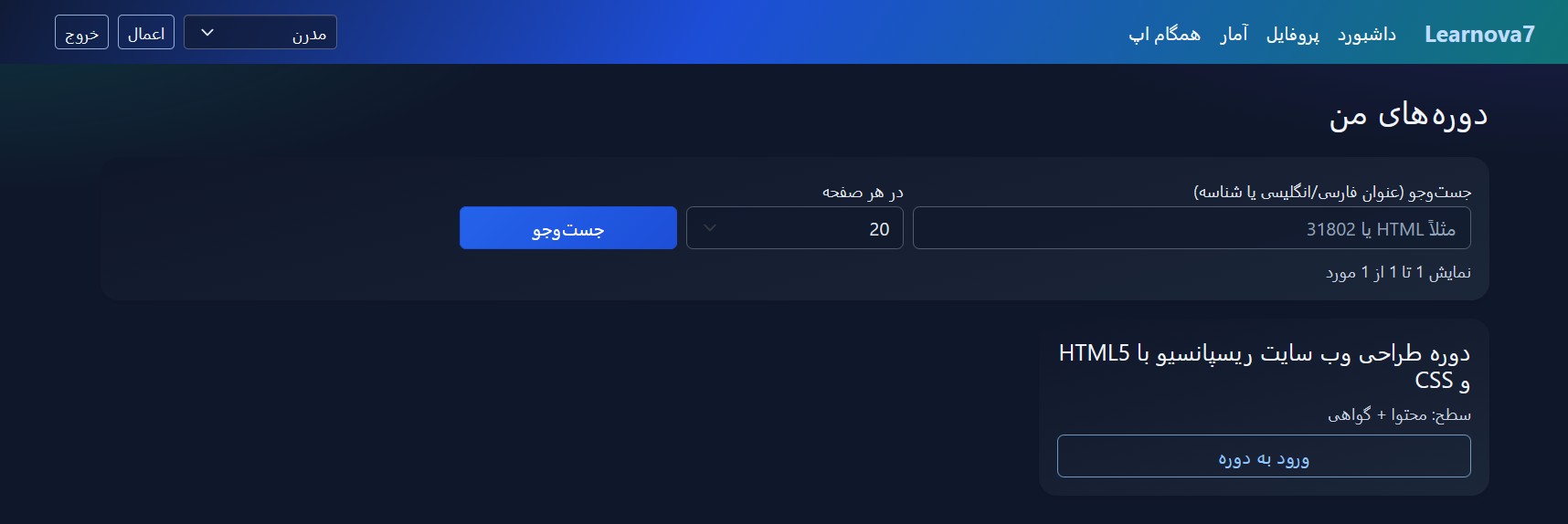
محیط سامانه آموزشی
برای مشاهده تصویر در اندازه بزرگتر کلیک کنید
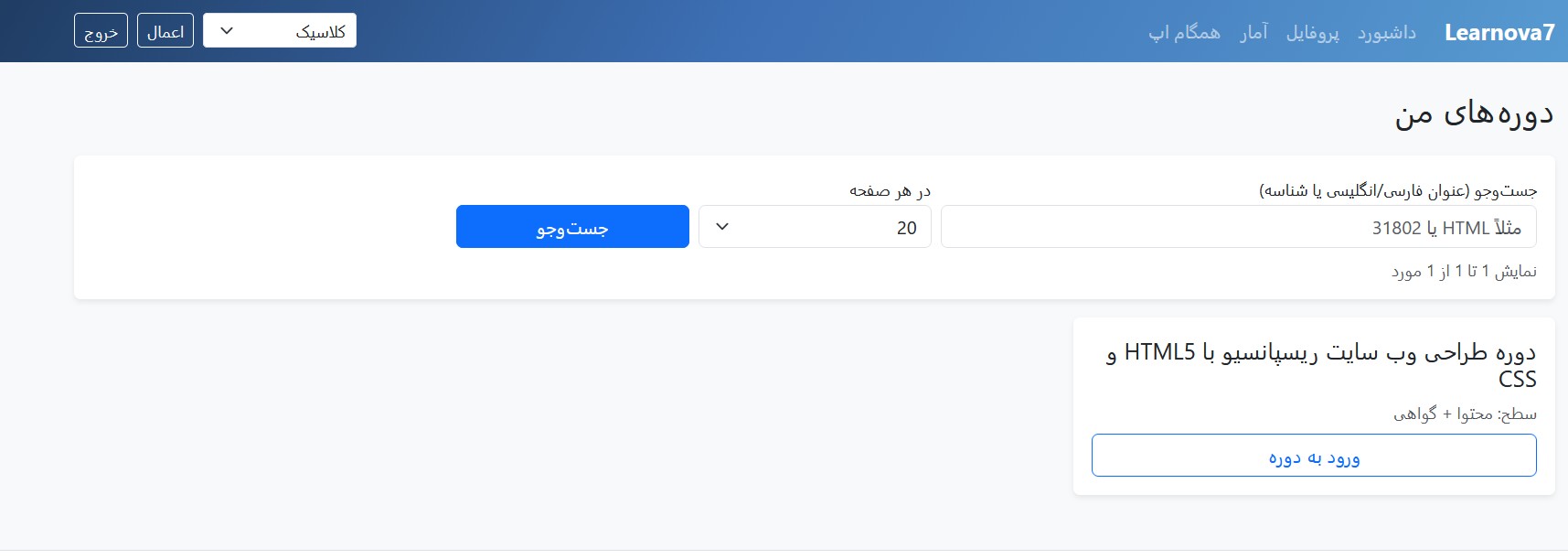
یادگیری و مرور مطالب
برای مشاهده تصویر در اندازه بزرگتر کلیک کنید
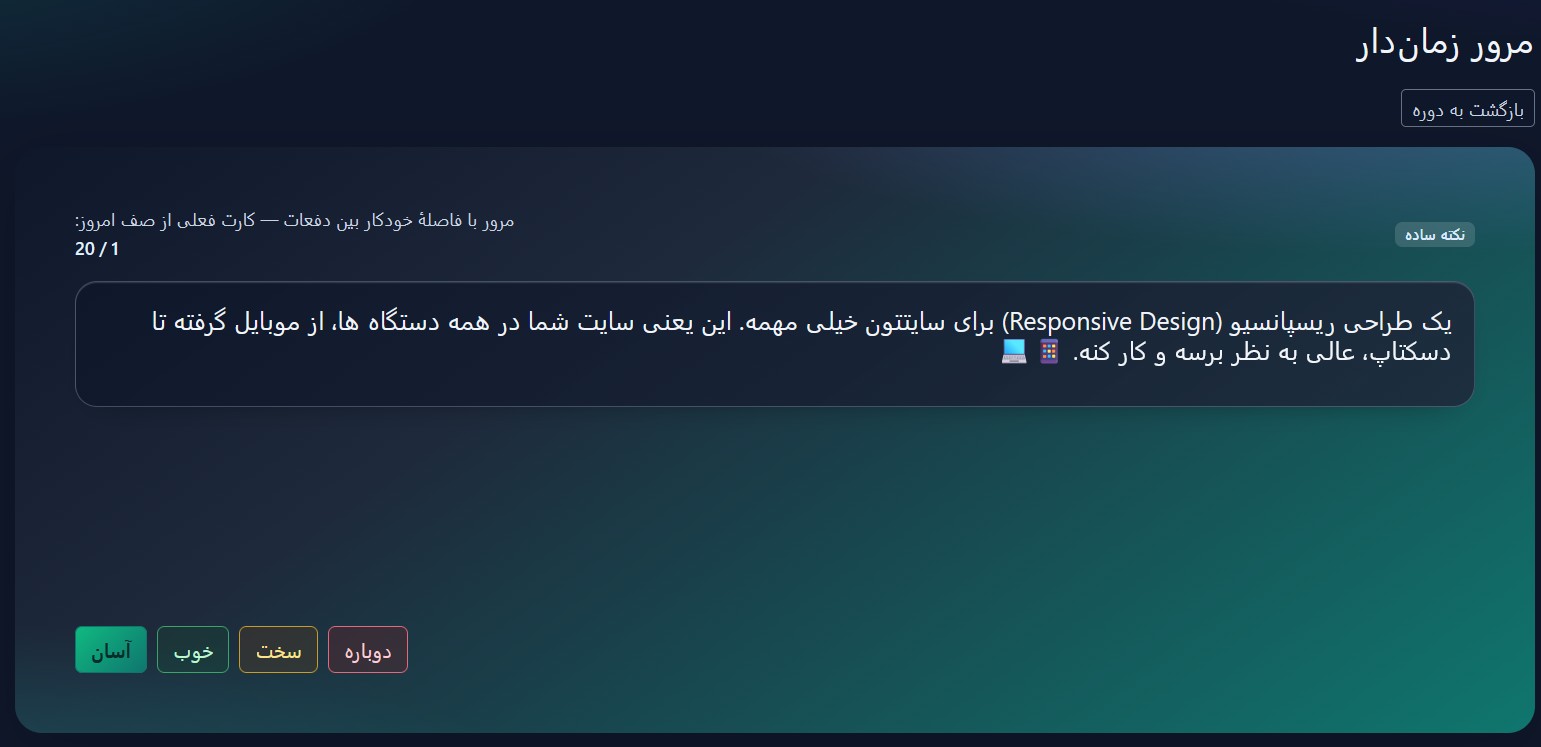
تجربه مطالعه تعاملی
برای مشاهده تصویر در اندازه بزرگتر کلیک کنید
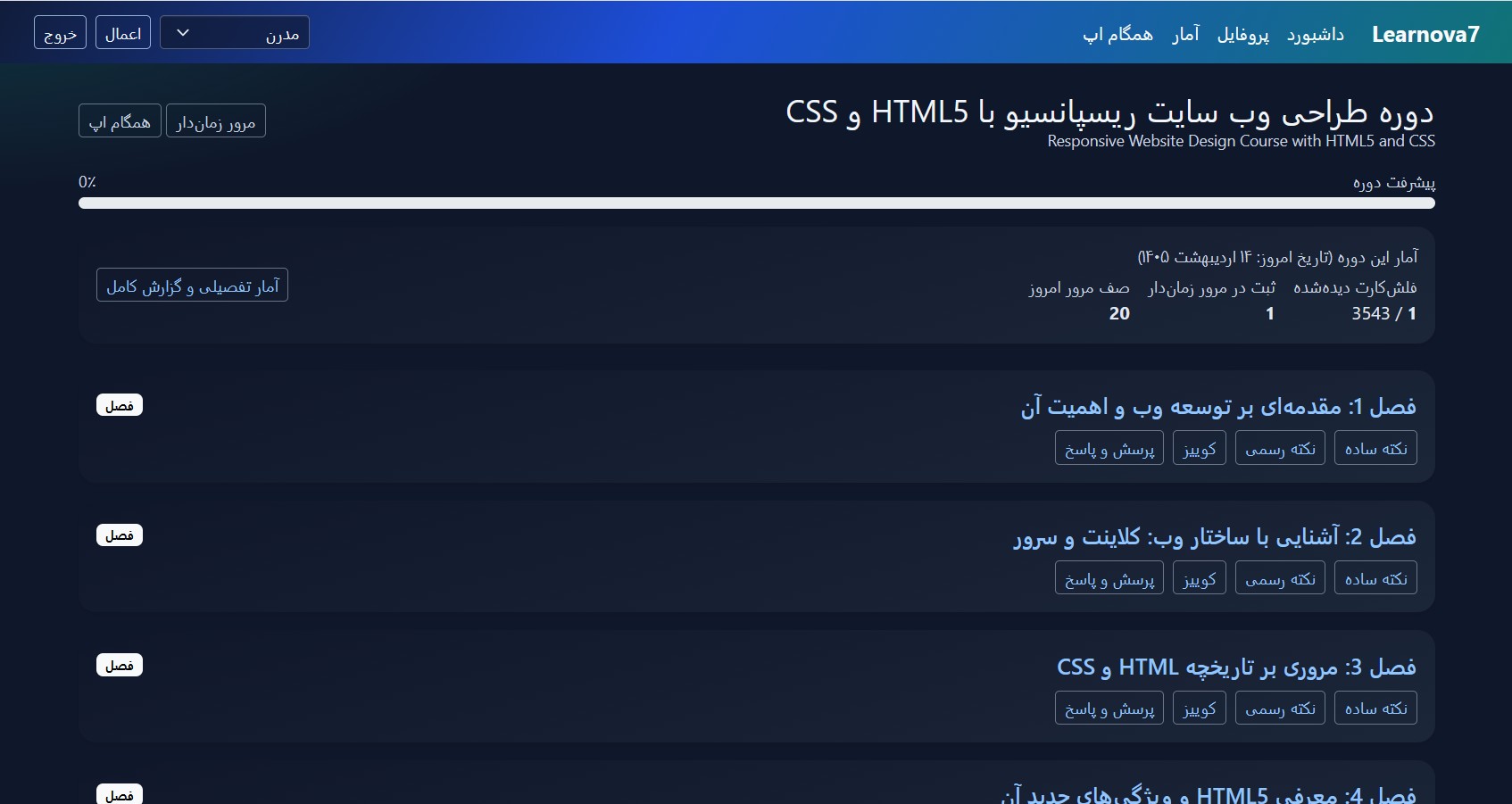
امکانات بیشتر سامانه
برای مشاهده تصویر در اندازه بزرگتر کلیک کنید
یادگیری فراتر از مطالعه معمولی
با فلشکارتهای آموزشی، مرور هدفمند و تمرین مستمر، مطالب را فعالانه یاد بگیرید و مسیر پیشرفت خود را دنبال کنید.
تگها:
Code Standards
English for engineers
English for Software Engineers
Software Engineering
Technical English
آموزش زبان انگلیسی
آموزش زبان انگلیسی تخصصی
استاندارد کدنویسی
تحلیل استانداردهای کدنویسی
درک استانداردهای کدنویسی
زبان انگلیسی برای مهندسان
زبان انگلیسی فنی
زبان تخصصی مهندسی
مهندسی نرمافزار
یادگیری زبان انگلیسی
نظرات
هنوز نظری ثبت نشده است.
وارد شوید تا نظر ثبت کنید.