اپلیکیشن اندرویدی فلشکارت آموزشی زبان انگلیسی برای مهندسان در درک و کاربرد مفاهیم مربوط به مدلسازی انتشار نور در فیبر نوری چند حالته
🎓 دوره آموزشی جامع
📚 اطلاعات دوره
عنوان دوره: دوره زبان انگلیسی برای مهندسان در درک و کاربرد مفاهیم مربوط به مدلسازی انتشار نور در فیبر نوری چند حالته
موضوع کلی: آموزش زبانهای خارجی
موضوع میانی: زبان در حوزه مهندسی
📋 سرفصلهای دوره
- 1. Introduction to Technical English for Engineers
- 2. Key Vocabulary for Engineering Sciences
- 3. Understanding Scientific Paper Structure
- 4. Reading Strategies for Technical Articles
- 5. Interpreting Graphs, Tables, and Diagrams in Engineering
- 6. Reporting Experimental Results (Passive Voice, Tenses)
- 7. Academic Writing Conventions for Engineers
- 8. Common Acronyms and Abbreviations in Engineering Texts
- 9. Presenting Technical Information Effectively
- 10. Ethics and Plagiarism in Technical Communication
- 11. Foundations of Electromagnetic Waves
- 12. Properties of Light: Wavelength, Frequency, Speed
- 13. Understanding Refraction and Snell's Law
- 14. Total Internal Reflection (TIR) Principle
- 15. Wave Nature of Light: Introduction to Diffraction and Interference
- 16. The Electromagnetic Spectrum and Its Divisions
- 17. Polarization of Light: Basics and Terminology
- 18. Optical Materials: Refractive Index and Dispersion
- 19. Units and Measurement in Optics and Photonics
- 20. Rays vs. Waves: Different Models for Light Propagation
- 21. Introduction to Geometrical Optics Principles
- 22. Introduction to Physical Optics Concepts
- 23. Key Terminology in Classical Optics and Photonics
- 24. Light Sources: Types and Characteristics (Conceptual)
- 25. Photodetectors: Basics of Operation (Conceptual)
- 26. Historical Overview of Optical Fiber Communication
- 27. Basic Structure of an Optical Fiber: Core and Cladding
- 28. Principle of Light Guidance by Total Internal Reflection
- 29. Numerical Aperture (NA) and Acceptance Angle Calculation
- 30. Step-Index vs. Graded-Index Optical Fibers
- 31. Introduction to Single-Mode vs. Multimode Fibers
- 32. Why Multimode Fibers? Applications and Advantages
- 33. Optical Fiber Cable Construction and Components
- 34. Intrinsic and Extrinsic Attenuation Mechanisms
- 35. Fiber Connectors and Splicing Techniques (Terminology)
- 36. Manufacturing Process of Optical Fibers (Overview)
- 37. Material Properties of Silica Glass for Fibers
- 38. Dispersion: An Overview for Optical Fibers
- 39. Bandwidth Limitations in Optical Communication Systems
- 40. Key Performance Parameters of Optical Fibers
- 41. Introduction to Optical Modes in Waveguides
- 42. Understanding Modes in Planar Dielectric Waveguides
- 43. LP Modes (Linearly Polarized Modes) in Cylindrical Fibers
- 44. Mode Field Diameter and Effective Area (Contextual)
- 45. Modal Excitation and Initial Power Distribution
- 46. Differential Mode Delay (DMD) in Multimode Fibers
- 47. Intermodal Dispersion: Its Causes and Impact
- 48. Intramodal Dispersion: Chromatic and Polarization Mode Dispersion
- 49. Group Velocity and Phase Velocity of Modes
- 50. Mode Coupling Mechanisms: Bending, Stress, Inhomogeneities
- 51. Power Flow Equation and Modal Dynamics in Fibers
- 52. Steady-State Modal Distribution (SSMD)
- 53. Achieving Steady-State Conditions: Role of Mode Scramblers
- 54. Higher-Order Modes vs. Lower-Order Modes
- 55. Cutoff Wavelength for Specific Modes
- 56. Modal Attenuation and Loss Factors
- 57. Differential Mode Attenuation (DMA)
- 58. Mode Filtering and Stripping Techniques
- 59. Modal Noise in Multimode Fiber Systems
- 60. Understanding Launch Conditions and Their Effect
- 61. Effective Modal Volume and Its Significance
- 62. Backscattering Phenomena in Multimode Fibers
- 63. Raman Scattering and Brillouin Scattering (Basic Concepts)
- 64. Nonlinear Effects in Optical Fibers (Brief Introduction)
- 65. Measuring Modal Power Distribution
- 66. Introduction to Scientific and Engineering Modeling
- 67. The Role of Mathematical Models in Optics and Photonics
- 68. Common Mathematical Functions in Wave Propagation
- 69. Vectors and Phasors in Electromagnetic Field Representation
- 70. Overview of Maxwell's Equations for Wave Propagation
- 71. Boundary Conditions in Optical Waveguides Modeling
- 72. Conceptual Understanding of Separation of Variables Method
- 73. Introduction to Numerical Methods (Finite Difference, Finite Element)
- 74. Understanding Discretization and Mesh Generation
- 75. Introduction to Fourier Analysis in Optics
- 76. Eigenvalue Problems in Optical Mode Analysis
- 77. Software Tools for Optical Simulation: General Principles
- 78. Interpreting Simulation Inputs and Outputs
- 79. Data Visualization Techniques for Modeling Results
- 80. Error Analysis and Validation of Models
- 81. Dimensional Analysis in Physical Modeling
- 82. Scaling Laws in Optical Systems
- 83. Transitioning from Ray Optics to Wave Optics in Modeling
- 84. Introduction to Perturbation Theory in Optics
- 85. Computational Resources for Complex Simulations
- 86. Ray Tracing Simulations for Multimode Fibers
- 87. Mode Solver Techniques: Numerical Approaches for Modes
- 88. The Beam Propagation Method (BPM) for Fiber Modeling
- 89. Finite Difference Time Domain (FDTD) Method for Waveguides
- 90. Modeling Modal Power Coupling Dynamics
- 91. Simulating Launch Conditions and Their Evolution
- 92. Predicting Bandwidth in Multimode Fibers through Modeling
- 93. Modeling Dispersion Compensation Techniques
- 94. Advanced Topics in Optical Fiber Design Optimization
- 95. Simulating the Impact of Fiber Bends and Defects
- 96. Case Studies: Modeling for Specific Multimode Applications (e.g., Data Centers)
- 97. Current Research Trends in Multimode Fiber Modeling
- 98. Writing Comprehensive Technical Reports on Fiber Modeling Projects
- 99. Presenting Simulation Results to Technical and Non-Technical Stakeholders
- 100. Future Directions in Multimode Optical Fiber Technology and Applications
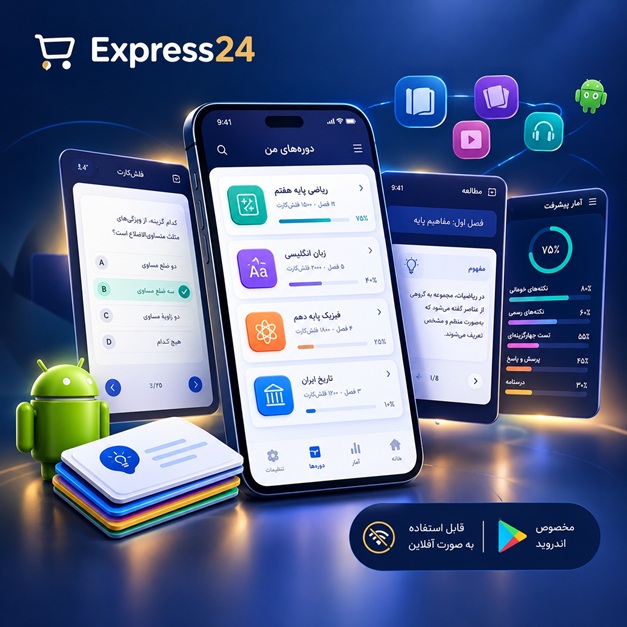
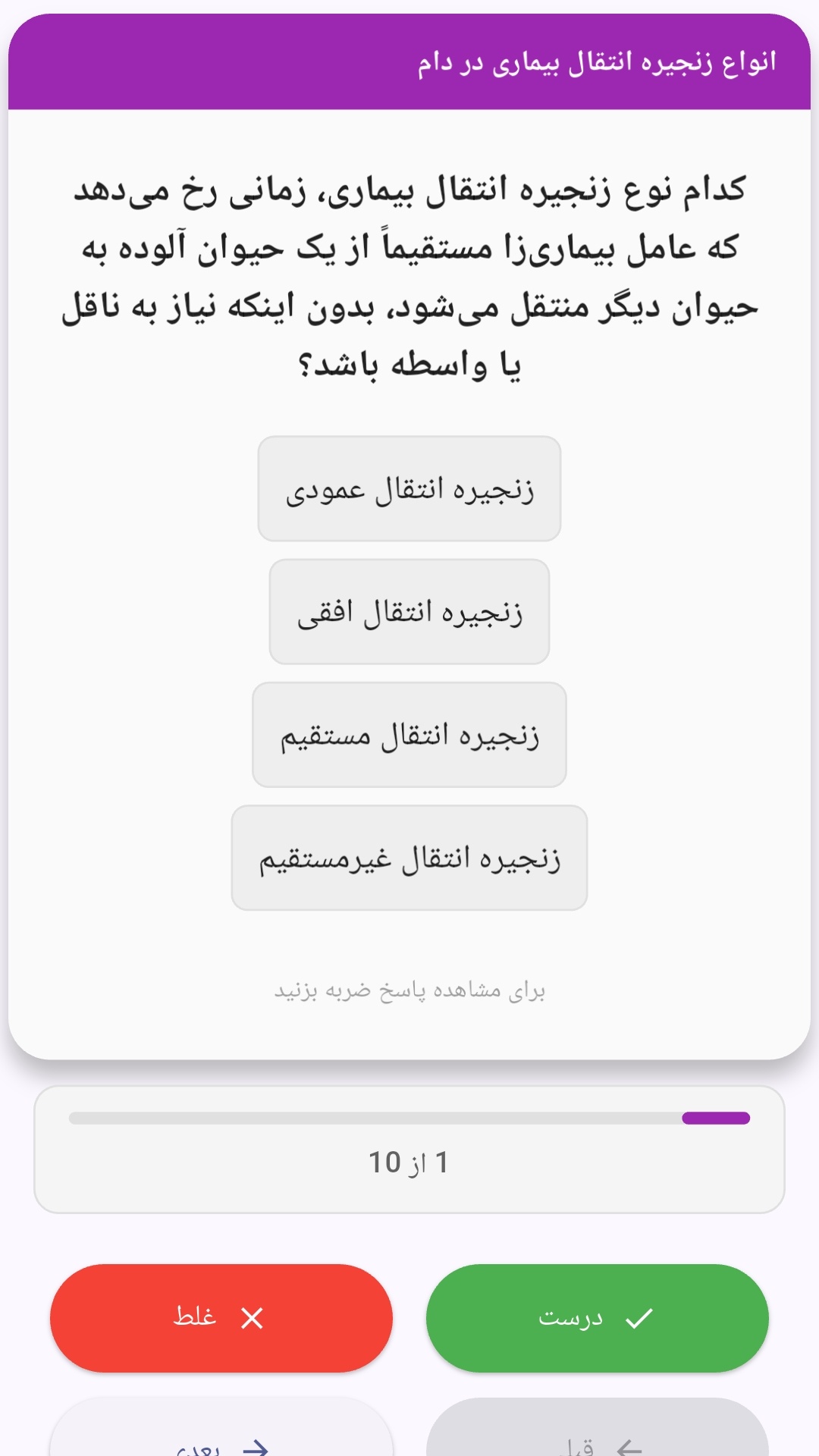
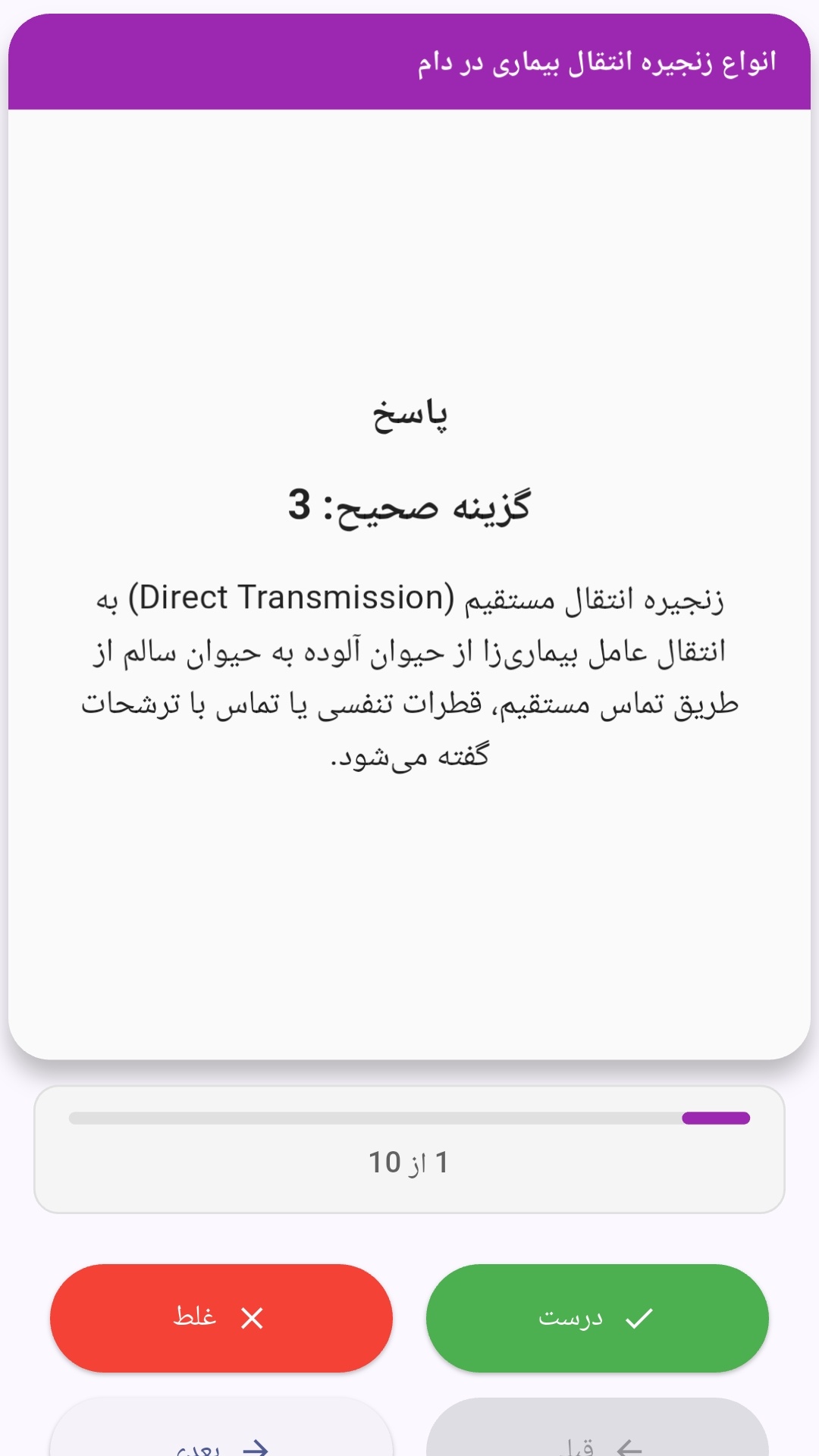
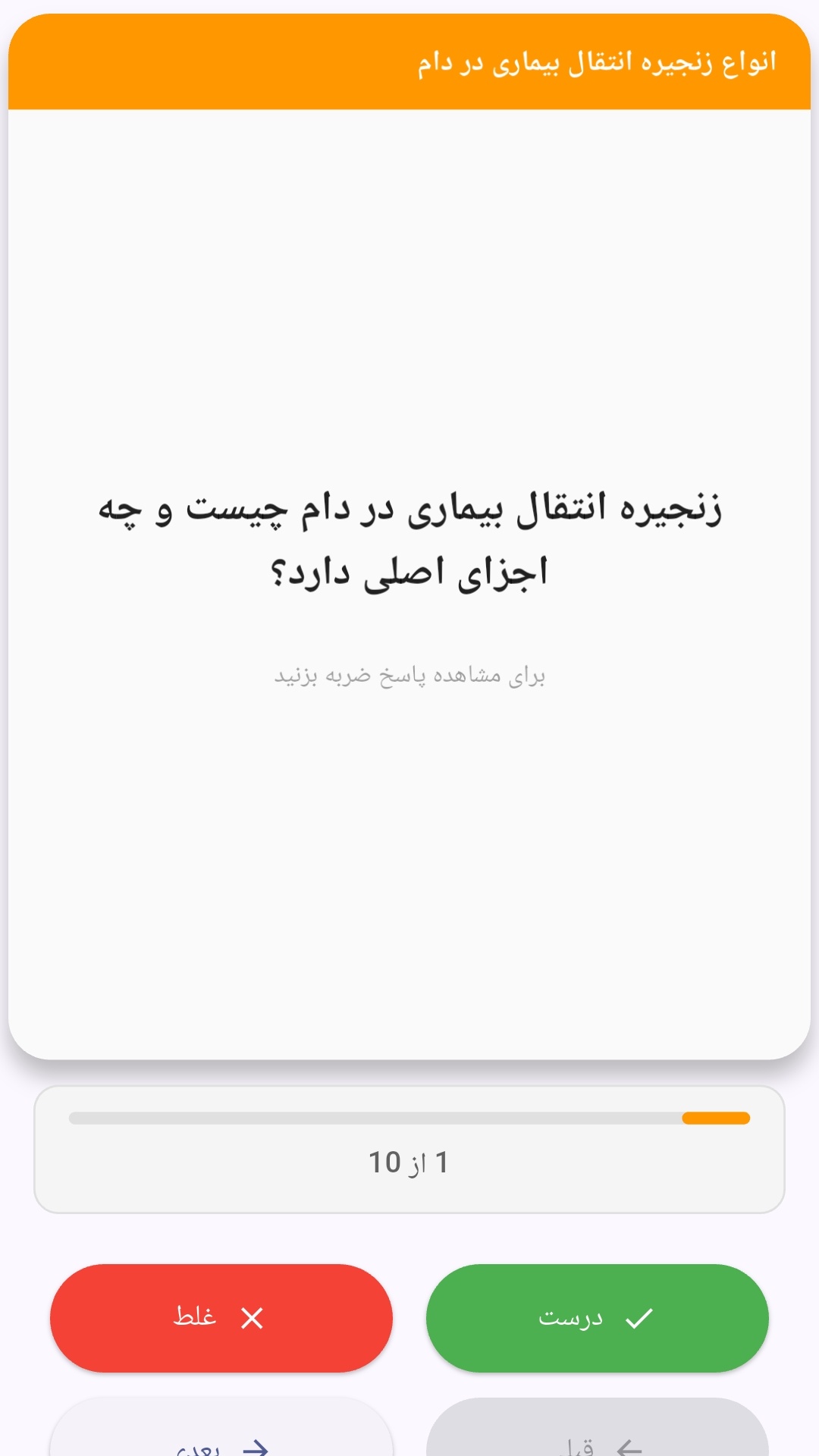
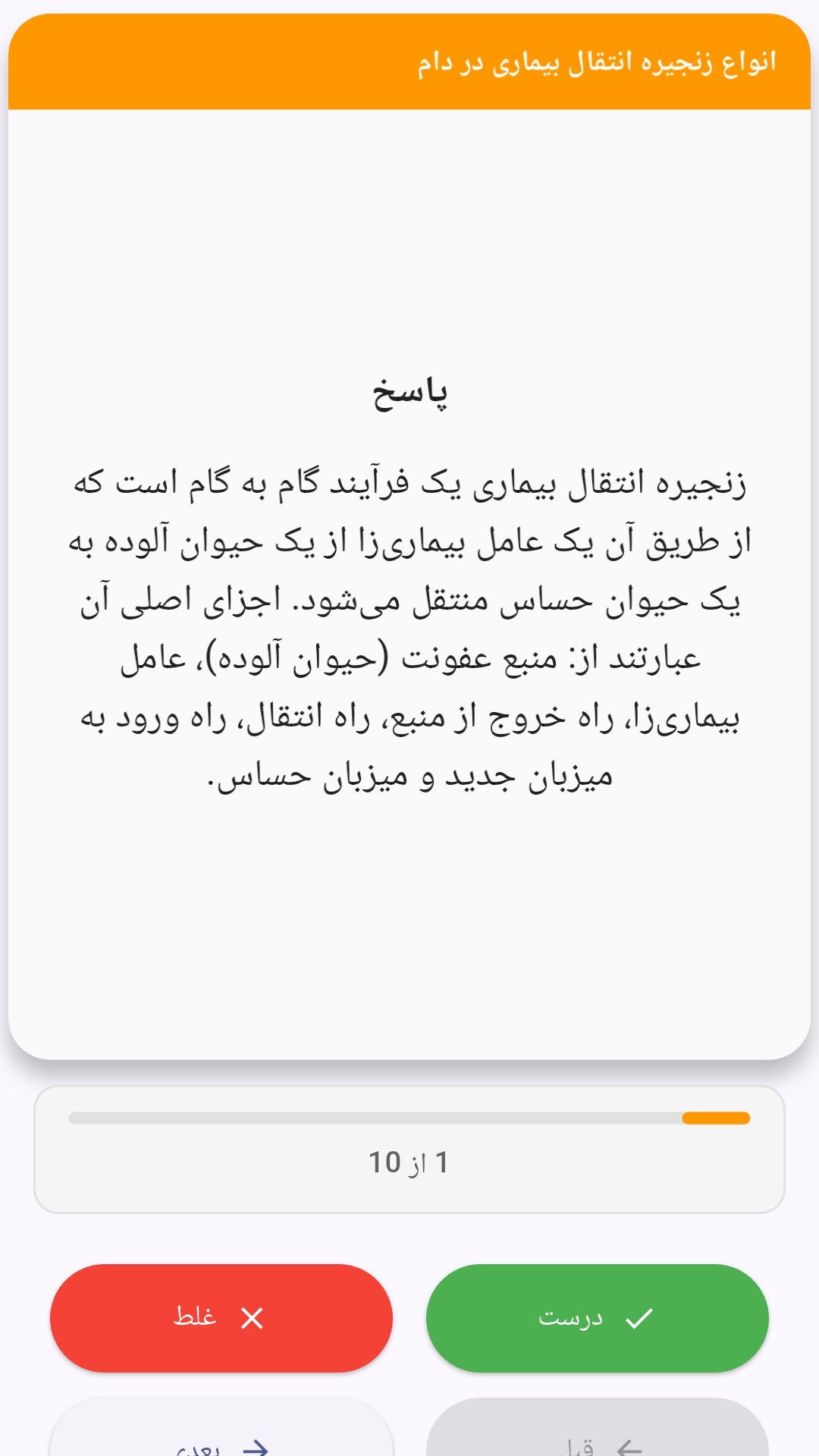
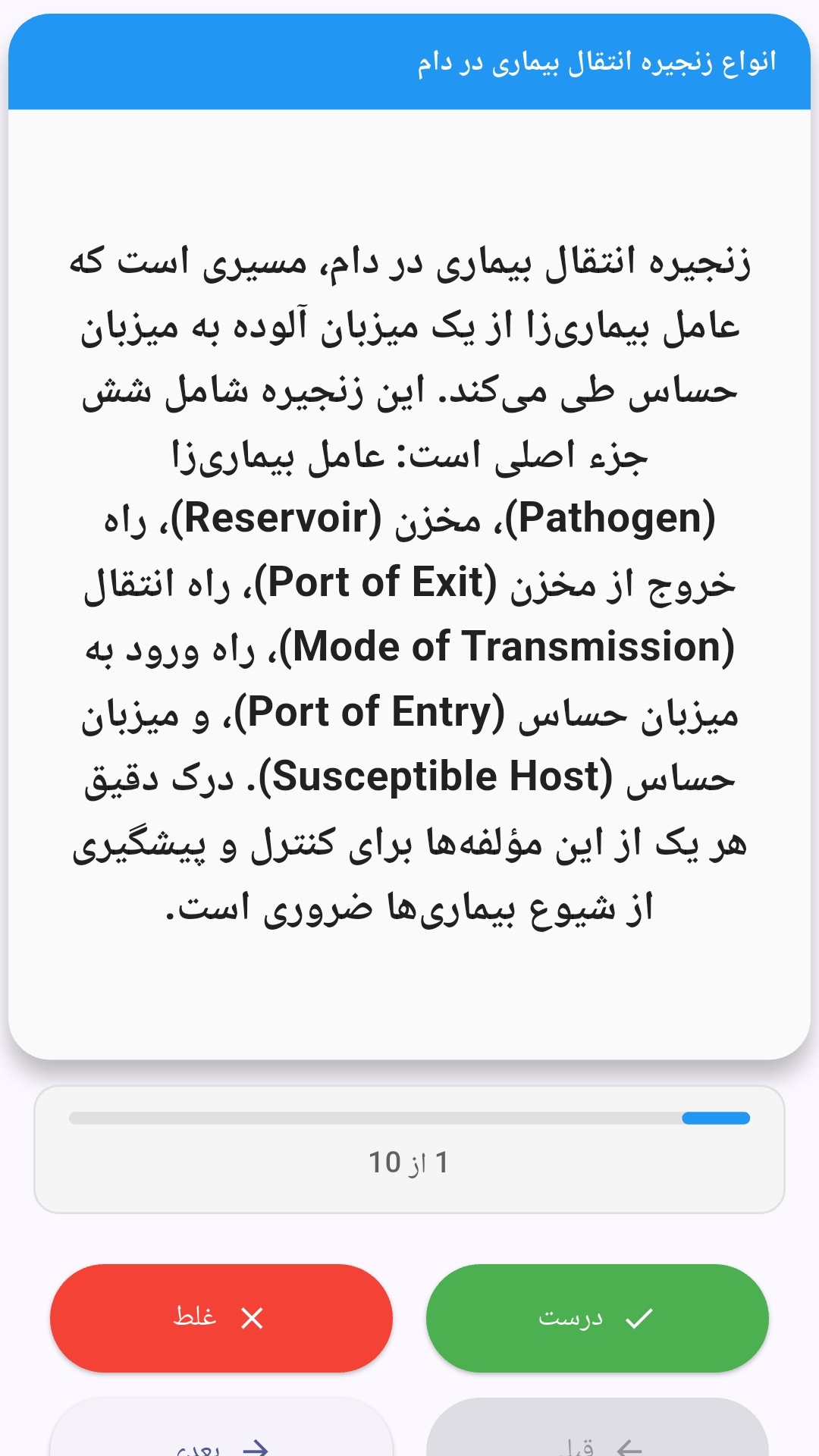
این اپلیکیشن فارسی برای یادگیری و مرور محتوای آموزشی از طریق فلشکارت طراحی شده است. کارتها را یکییکی مرور کنید، پاسخ پرسشها را به یاد بیاورید و نتیجه هر پاسخ را ثبت کنید. محتوای دوره پس از نصب درون برنامه در دسترس است تا برای مطالعه روزمره معمولاً به اتصال مداوم اینترنت نیاز نداشته باشید.
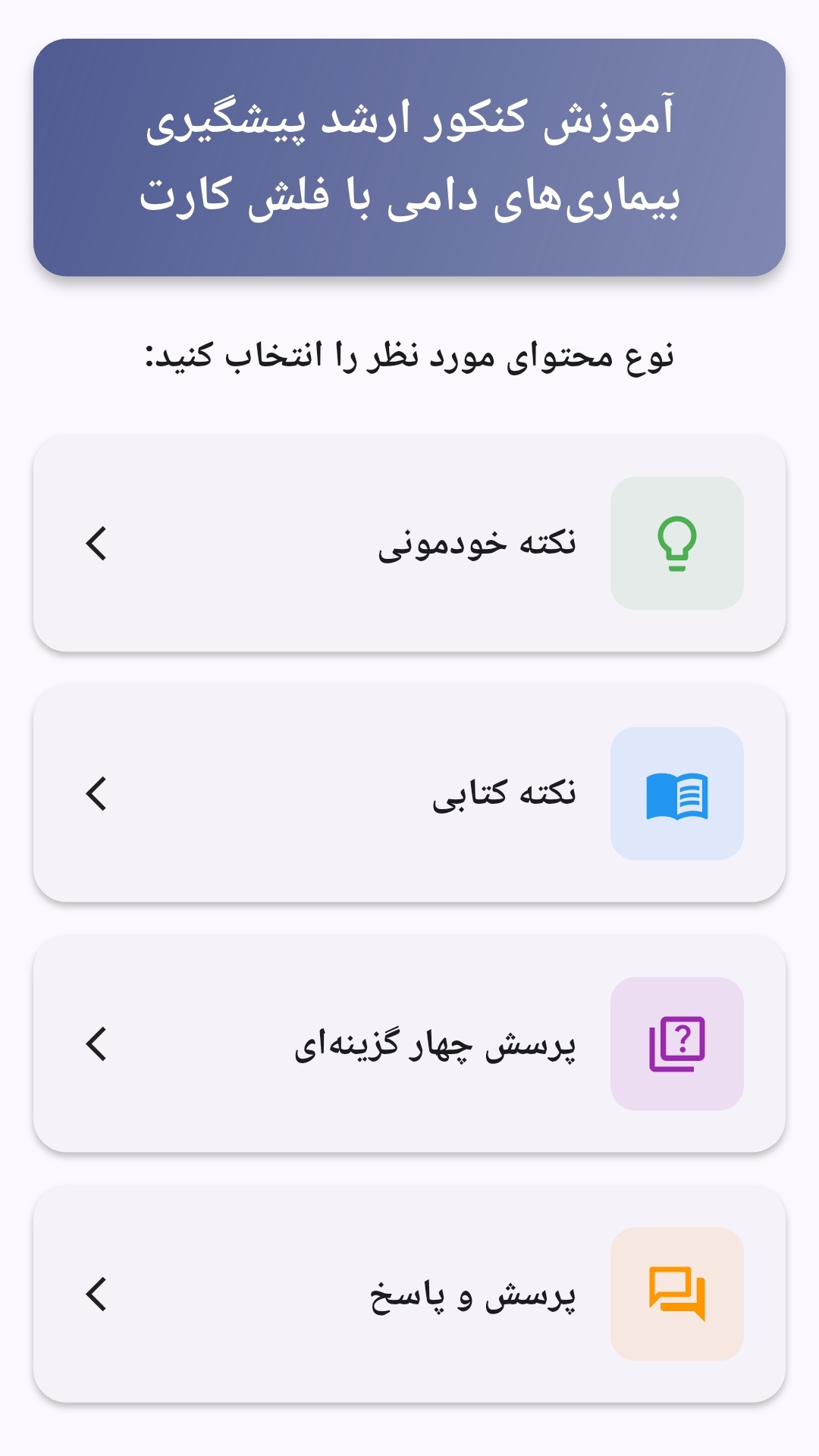
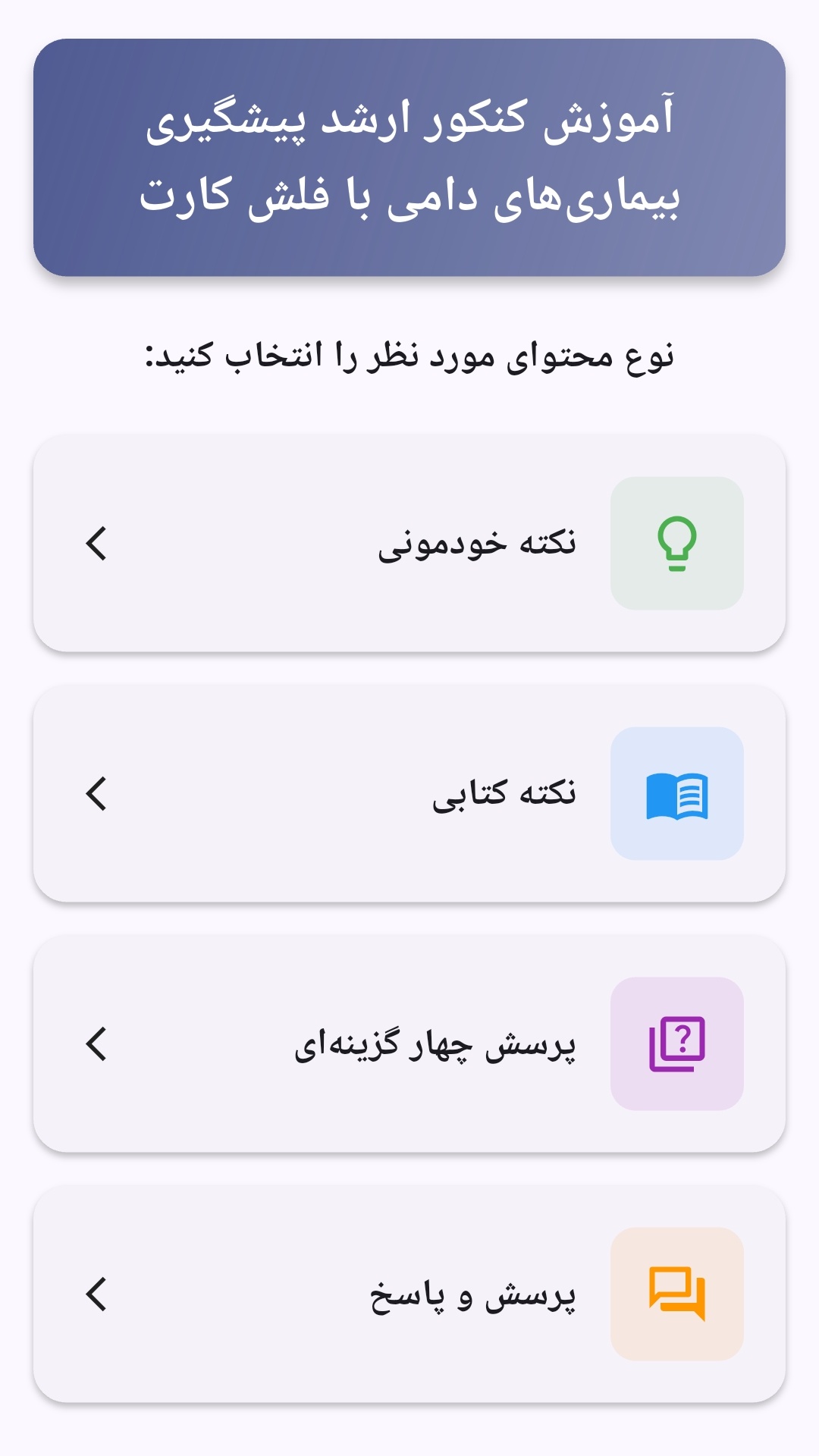
محتوای آموزشی در قالبهای متنوع ارائه میشود تا هم برای یادگیری مفاهیم جدید و هم برای تثبیت آموختهها قابل استفاده باشد.
- رابط کاربری فارسی و راستچین با فونت وزیر.
- تم روشن و تیره مطابق تنظیمات سیستم.
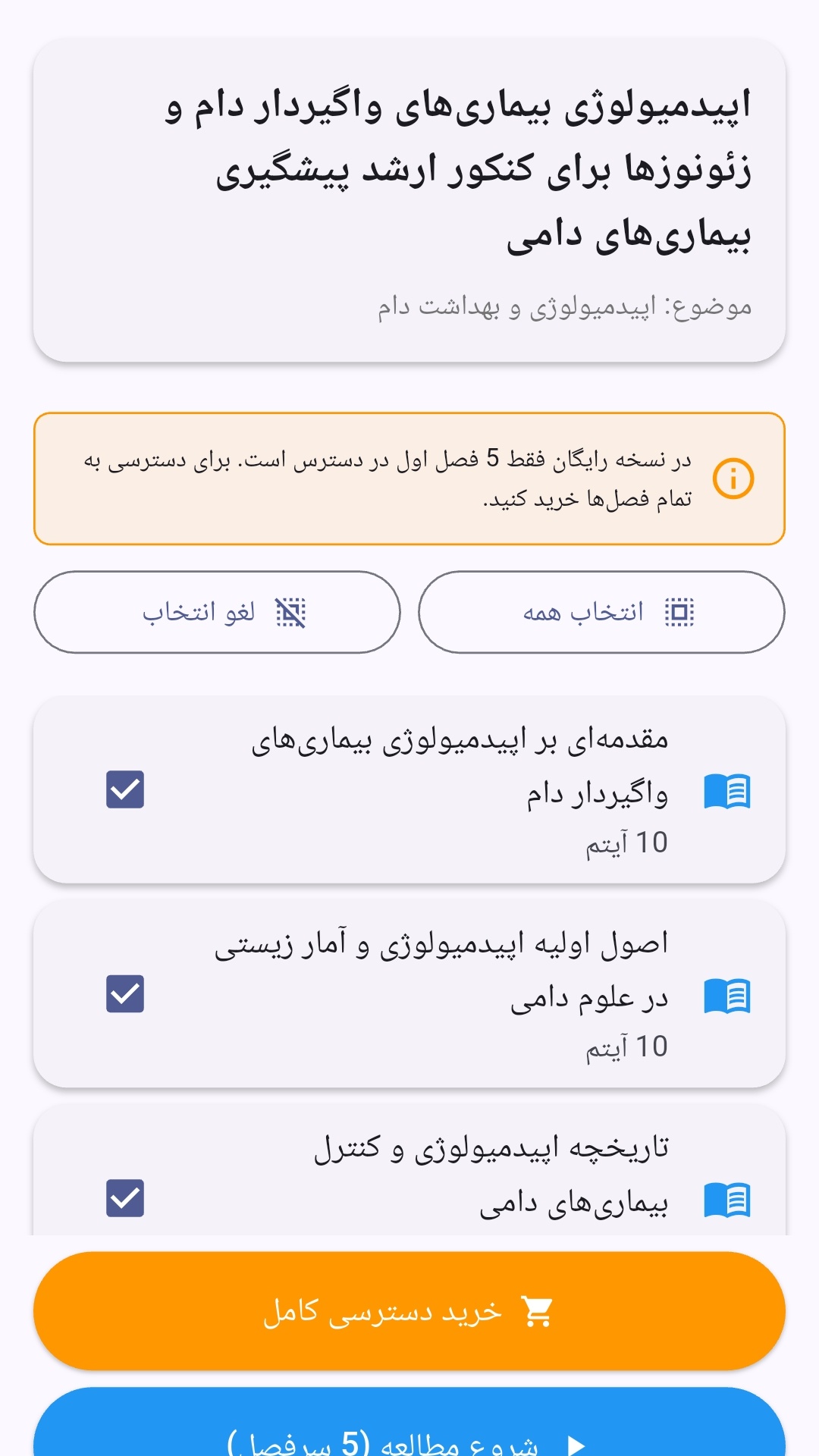
- صفحهبندی ساده برای انتخاب دوره و شروع مرور.
- نمایش تعداد دفعات مرور هر فصل.
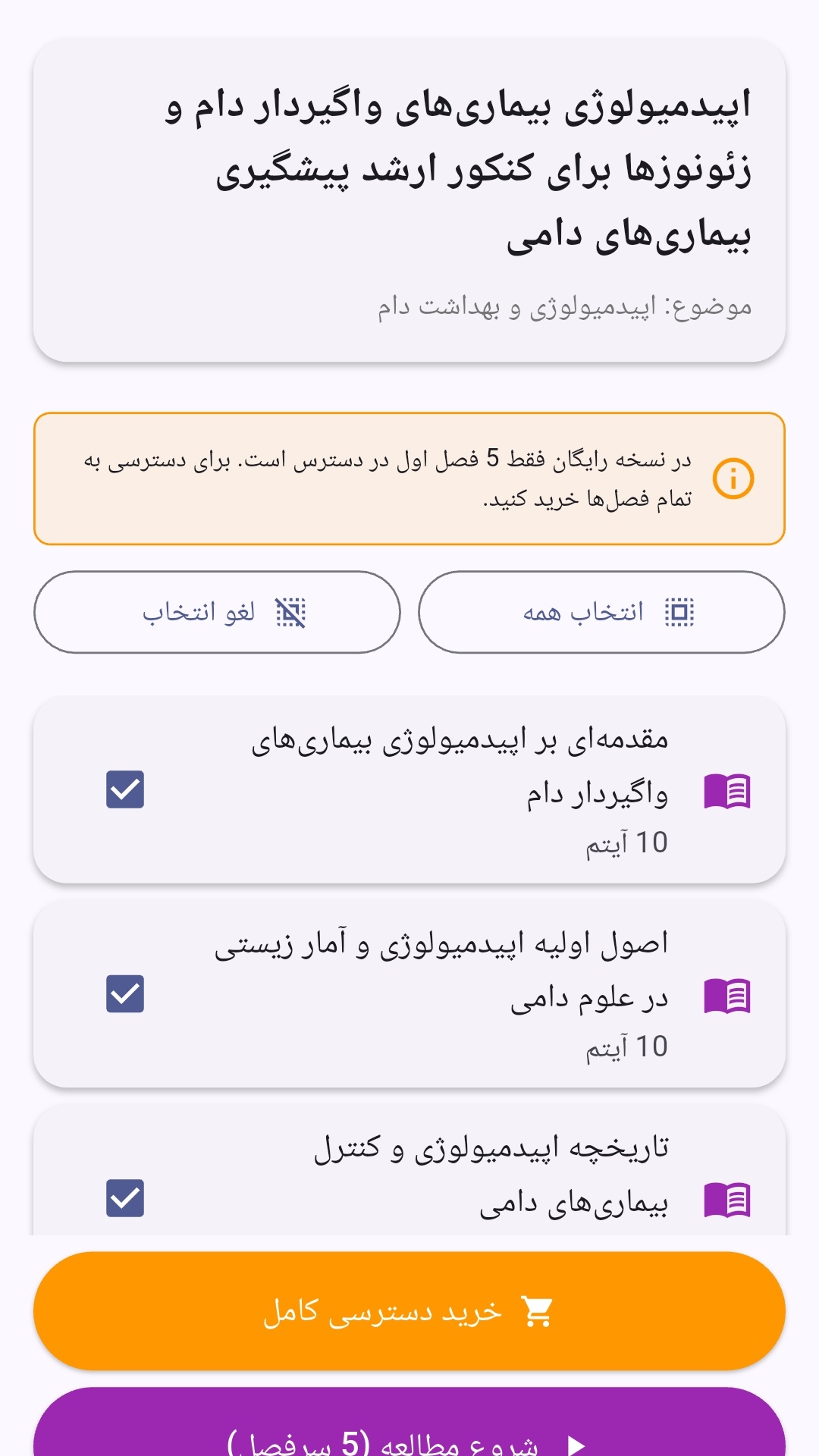
- انتخاب چند فصل برای مرور همزمان.
- امکان تمرکز بر فصلهایی که هنوز مرور نشدهاند.
این اپلیکیشن برای دانشآموزان، دانشجویان، داوطلبان آزمونها و علاقهمندان به یادگیری طراحی شده است؛ بهویژه کسانی که میخواهند مطالب آموزشی را در زمانهای کوتاه مرور کنند، دانستههای خود را بسنجند و مطالعه منظمتری داشته باشند.

نظرات
هنوز نظری ثبت نشده است.
وارد شوید تا نظر ثبت کنید.